You can tell how strong or weak your core is with a wide range of functional assessments, including plank tests and curl-ups, among others. However, before attempting any core strength test, ensure it is suitable for your condition. If unsure, you can seek guidance from a professional trainer to help you perform the assessments correctly and safely.
Why Core Strength Testing Matters
The core helps protect the spine from excessive load while facilitating the transfer of force between the lower and upper extremities. When the core functions as an integrated system, it distributes movement and force safely, reducing unnecessary spinal strain and unlocking your fullest potential.
To properly protect the back, the goal is to develop a solid foundation around the spine during activities such as moving, running, jumping, throwing, lifting, and transferring force. This stability is achieved when the muscles of the hips, torso, and shoulders work together as an integrated system.
What Are Some Examples of Core Strength Exercises?
This is how you can test and measure your core strength:
1. Plank Test
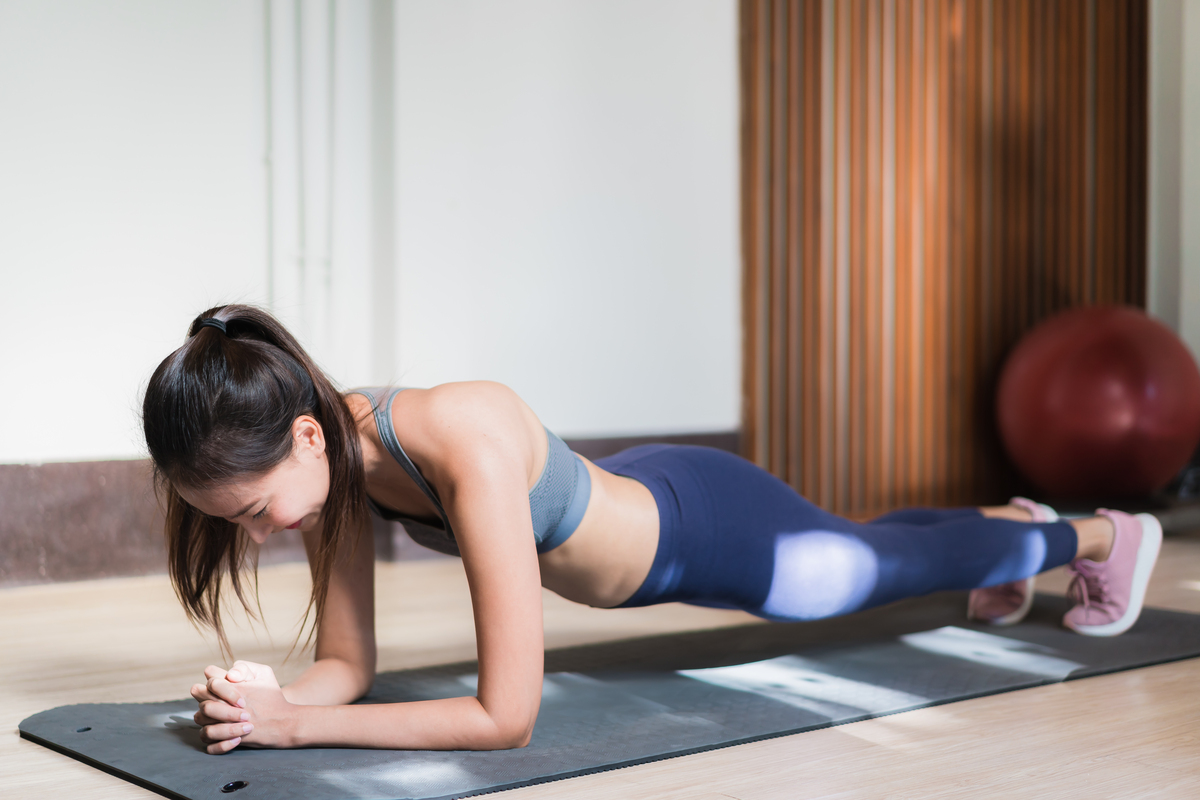
This core strength test requires you to hold a position similar to a push-up for as long as possible. By maintaining this static posture, multiple core muscles are activated simultaneously to test your overall stability.
How to Perform a Plank Exercise Test
- Begin by lying face down on the floor with your elbows positioned directly under your shoulders and feet set about shoulder-width apart.
- Push your body up so your weight is supported on your forearms and toes, while keeping your body in a straight line from head to heels.
- Hold this position for at least 30 seconds while maintaining proper form.
If you struggle to hold the plank for this duration, it may indicate insufficient core strength.
2. Trunk Curl-Up Test
This measures core strength by requiring the abdominal muscles to lift the upper body off the floor in a controlled manner. The test records the maximum number of correctly performed curl-ups within a set time frame, whether that’s 30 seconds, 1 minute, or 2 minutes. Alternatively, the test can be done at a predetermined tempo, where the assessment continues until the individual can no longer maintain the required pace or reach the target number of repetitions.
How to Perform the Curl-Up Test
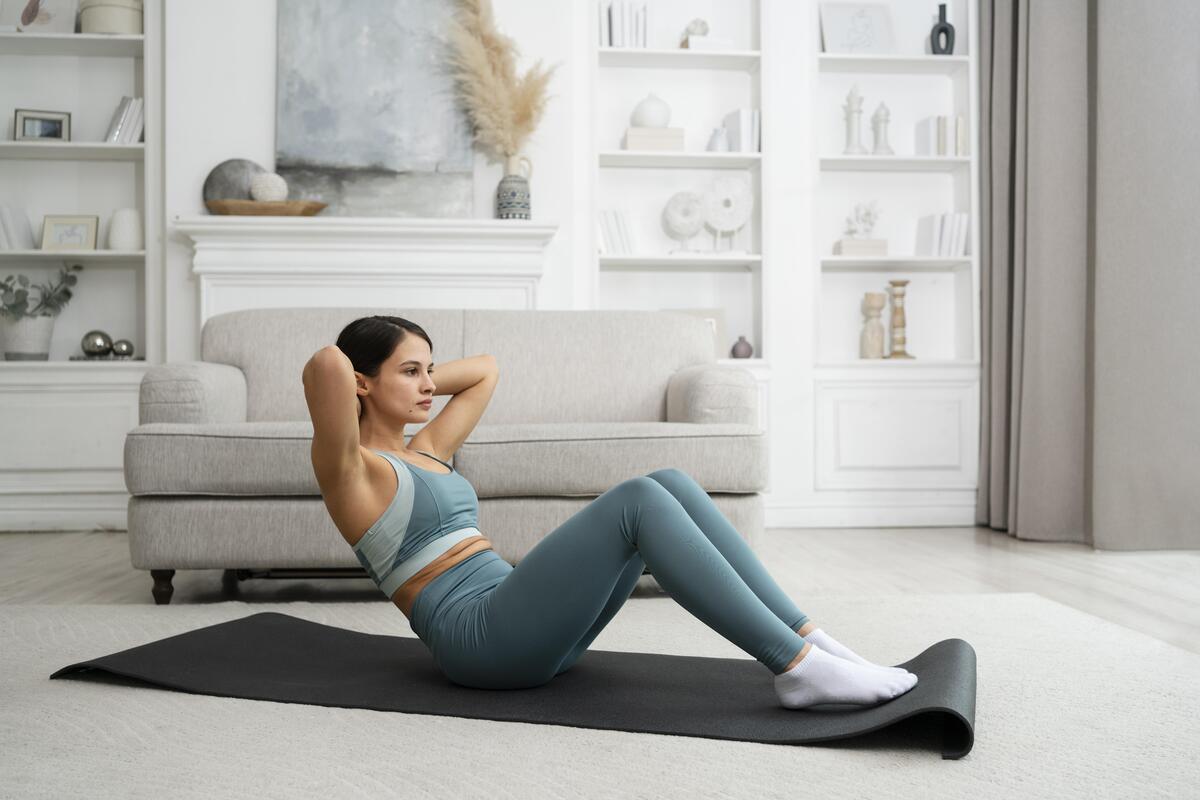
- Rest on your back with knees bent and feet flat on the floor in a comfortable position.
- Adjust your pelvis so your lumbar spine is in a neutral position.
- Lift your head gently and bring your chin towards your chest, keeping the neck fixed as if holding a tennis ball between your chin and neck.
- Place your hands behind your ears with elbows pointing out to the sides.
- Engage your abdominal muscles and curl your upper back off the floor, lifting through the abs rather than using momentum.
- Keep your arms, shoulders, neck, and legs relaxed as the core initiates the movement.
- Ensure the head and arms rise together as one unit with the shoulders.
- Stop once the upper back lifts off the floor.
- Pause briefly at the top for one count.
- Then, lower your upper back down to the floor slowly.
Performing more than 25 repetitions for men or more than 15 repetitions for women generally indicates optimal core strength.
3. Leg Lower Test
The leg lower test is a simple way to measure how strong your core muscles are, especially your lower abs. It checks how well your abdominal muscles can keep your lower back and pelvis stable while you slowly lower your legs from a vertical position. As your legs go down, the effort needed to keep your pelvis in place increases, making the test harder.
How to Perform the Leg Lower Test
- Rest on your back with your arms crossed over your chest and head resting on the floor.
- If someone is helping you with the test, they will place their fingers under your lower back. Alternatively, a blood pressure cuff or pressure biofeedback device can be used and inflated to 40 mmHg.
- Lift both legs to a 90-degree angle (vertical) while keeping your upper body perfectly flat on the floor.
- You may bend your knees first to get into position, then straighten your legs.
- Slowly lower your legs while keeping the pressure on the tester’s fingers or the cuff by contracting the abdominal muscles.
- If the pressure decreases at any time, the test is stopped, and the leg angle is recorded.
If you cannot lower your legs past 60 degrees, it usually means your core strength is not strong enough yet.
Interpreting Your Results
After conducting any of the core strength assessments, you can identify your strengths and areas in need of improvement:
Good Core Strength
You likely have good core strength if you can hold test positions for longer durations and complete advanced variations without excessive compensation. For example, you can hold a plank for 60 seconds or longer, or lower your legs without lifting the lower back in the Leg Lower test.
Signs of Core Weakness
These signs suggest that your core muscles may not be strong enough to stabilise the spine effectively.
- Difficulty holding positions for extended periods.
- Sagging or arching of the back during tests.
- Overreliance on other muscles, such as the hip flexors, to compensate.
If left unaddressed, this could lead to poor movement patterns and increased risk of injury.
Next Steps After Core Strength Assessments
If your core strength test results reveal weakness, you should focus on targeted exercises that build stability and control. Recommended exercises include traditional planks, bridges, bird-dog, and controlled sit-ups, among others.
The key is to emphasize proper form and core engagement over speed or the number of repetitions. Building core strength takes time, and consistent practice is essential for long-term improvement.
Strengthen Your Core at META PERFORMANCE SINGAPORE
If you’re unsure how to interpret your core strength test results or need a structured plan to improve, META PERFORMANCE SINGAPORE is here to help. Our team will assess your fitness level and current condition to create a customized exercise program that suits your goals.
With personalized training plans, we provide professional guidance and tailored workouts designed to improve your core strength, endurance, and stability.
Whether you’re looking for strength training programs or other fitness training programs, our boutique gym in Singapore provides the support you need to improve overall performance.
For more strength training insights, check out our guide on how to increase grip strength and different examples of functional strength training.
